Web3
Bitcoin.com News
·
22/09/2026 05:45
Hana Bank Put $100M on Blockchain and Skipped the 5-Day Wait
Hana Bank raised $100 million with a five-year foreign-currency digital bond and settled the entire transaction the same day, collapsing a process that normally takes three to five business days into T+0. Issued through Euroclear’s blockchain-based D-FMI, the deal marked the first time a Korean financial institution directly used Euroclear’s infrastructure for a digital bond […]
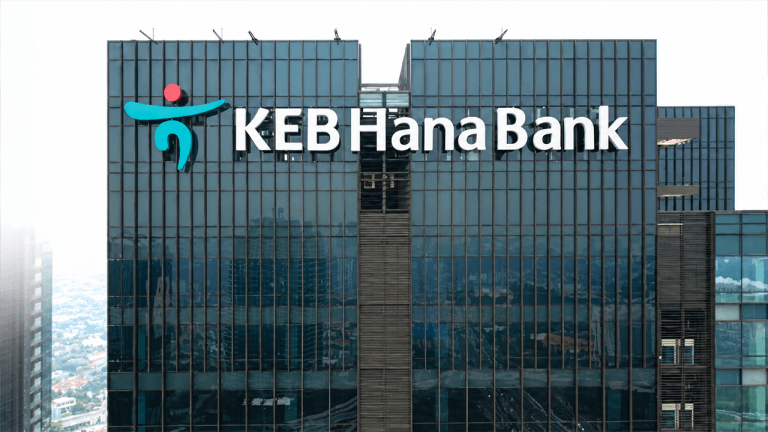
Hana Bank raised $100 million with a five-year foreign-currency digital bond and settled the entire transaction the same day, collapsing a process that normally takes three to five business days into T+0. Issued through Euroclear’s blockchain-based D-FMI, the deal marked the first time a Korean financial institution directly used Euroclear’s infrastructure for a digital bond and the first same-day settlement in South Korea’s foreign-currency bond market. Hana Bank Turns Days Into Hours With a $100 Million Bond According to The Korea Herald , the $100 million bond left Hana Bank on Friday and, instead of spending the next several business days crawling through the usual settlement machinery, the money and securities changed hands that same day. The five-year foreign-currency digital bond was issued through Euroclear’s Digital Financial Market Infrastructure, or D-FMI, putting blockchain underneath a decidedly traditional piece of bank funding. No speculative token, no new crypto wallet and no obscure trading venue. Investors can hold and trade the note through the Euroclear accounts they already use. The strange part is how little had to change on the surface for the settlement clock to shrink from as long as five business days to zero. The 55-year-old Hana Bank used its existing Global Medium-Term Note documentation, updated to accommodate a digitally native note. Standard Chartered acted as sole lead manager and bookrunner, while Citi served as DNN and fiscal agent. Under the hood, Euroclear’s distributed ledger handled issuance, registration, allocation and cash settlement. Allocation and payment were completed Sept. 18, the issue date itself. Conventional foreign-currency bonds can take three to five business days to settle. Hana’s took zero additional days. That means the bank received its funding sooner while investors stayed inside the familiar Euroclear infrastructure. Interestingly, the blockchain is arguably most interesting here because investors don’t have to think much about it. “The $100 million digital bond issuance and implementation of T+0 settlement represent a significant step beyond simply diversifying our funding channels, as they bring blockchain technology into the capital market,” a Hana Bank official remarked to The Korea Herald reporter Choi Ji-won. The record needs a little unpacking. Hana is the first Korean institution to directly issue a digital bond on Euroclear’s D-FMI, and the transaction produced the first T+0 settlement in South Korea ’s foreign-currency bond market. It isn’t, however, the first digital bond from a Korean issuer. Earlier in 2026, Mirae Asset Securities, POSCO International, and Korea Housing Finance Corporation issued digital bonds in Hong Kong using different infrastructure. Standard Chartered also issued a bond through D-FMI less than a month before Hana. So Hana didn’t invent the road. It became the first Korean bank to drive directly onto Euroclear’s version of it. The timing is worth watching. South Korea’s Financial Services Commission is targeting February 2027 for a full tokenized-securities framework, yet Hana has already tapped global distributed-ledger settlement through existing institutional plumbing. Euroclear’s D-FMI itself dates to October 2023, when the World Bank’s IBRD issued a €100 million digitally native note. By late 2025, deals including Doha Bank’s $150 million note had helped push issuance on the platform beyond €1 billion. On the flip side, some details of Hana’s transaction remain behind the curtain. Its coupon, spread, investor list and complete listing information haven’t been publicly disclosed. What is known is simpler: a Korean bank borrowed $100 million for five years, used blockchain to settle the bond before the day was over, and left investors using essentially the same doors they were already walking through. Bitmine Buys 27,562 ETH as Tom Lee Says Bull Market Is Underway Bitmine Immersion Technologies has quietly accumulated nearly 6 million ETH, giving one public company control of roughly 4.9% of all…

Nguồn
Bitcoin.com News
Bài viết được biên tập từ dữ liệu nguồn. Nội dung chỉ nhằm mục đích thông tin và không phải lời khuyên đầu tư.